
360-icon download left-arrow left-doublearrow nav-dot pdf-icon rss-icon search-icon spot-icon subnavi-icon close-icon info-icon
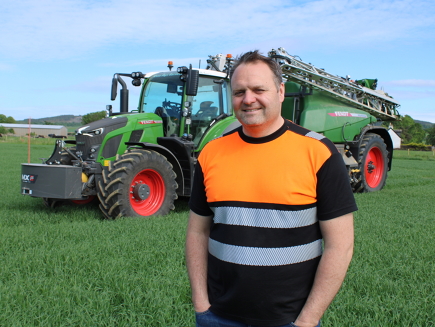
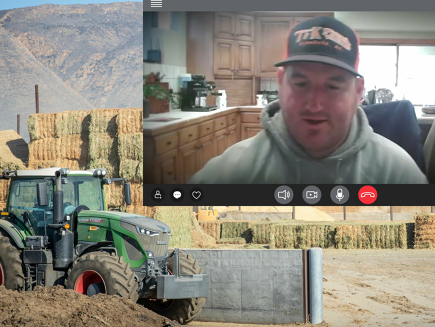
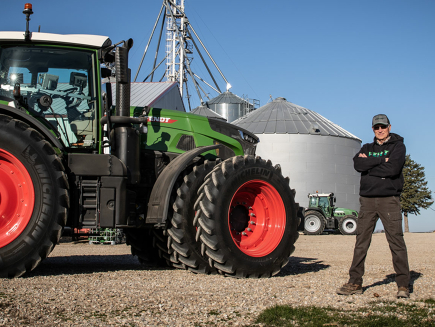
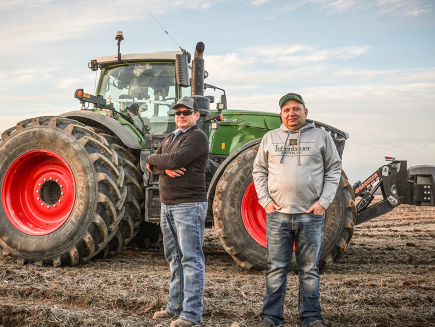
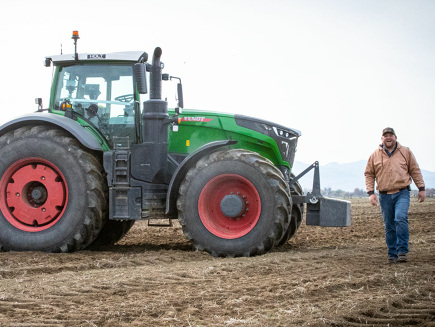
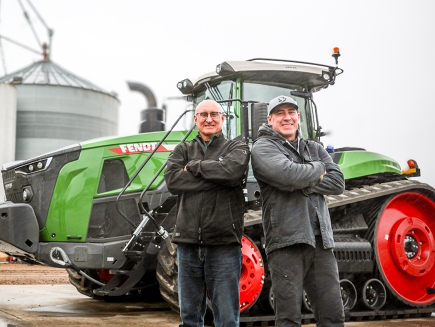
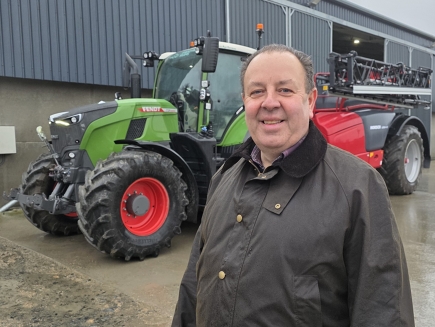
Murray Forsyth stands smiling in front of a green Fendt 724 Vario Gen7 with red rims

The new operating system is so much easier to navigate

Murray Forsyth, farmer, United Kingdom, Fendt 724 Vario Gen7

The new operating system is so much easier to navigate

Trading up brings benefits to mixed farm

Farm Background, Cropping System and Cattle Operation

Smiddyburn Farms is split over a 10-mile radius, with three farms making up 1000 acres. The third generation of a family partnership started by his grandfather in the 1930s, Murray grows an even split of winter barley, wheat, oilseed rape and spring malting barley while also finishing 600 head of continental cross beef cattle.

“We buy in at a year old and sell at 18 months. The herd is housed and fed a finishing ration that uses our home-grown winter barley. We buy in groups of 40 to 60 and sell around 12 a week for a measured return through the year. The arable land is on a five year rotation but we are in the midst of changing that to four years,” says Murray.

A former jet engine designer for Rolls Royce, Murray has always had an appreciation for good engineering. Something that he has carried back with him to the farm to provide his operators, Jim and Michael, with the best machinery.
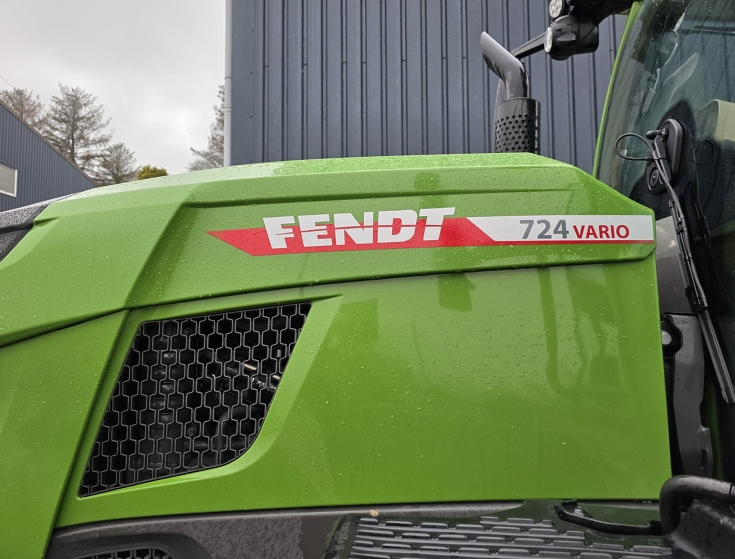
Front hood of a green Fendt 724 Vario tractor with visible logo and grille.

Engineering Mindset and the Evolution of the Fendt Fleet

“I remember the first time I was walked around a Fendt at the Royal Highland Show and the level of engineering in the tractor was something I appreciated. Little things like the hydraulic pipes all being rigid metal, not flexible rubber, which avoids chaffing and there was so much more thought in the design and ergonomics of the whole machine,” he says.


He bought the farm’s first Fendt in 2014, a new 724 SCR, and after it had done 5000 hours was amazed at how well it was still performing, so he bought a used 2015 plate 724 S4 model in addition. Both tractors have now done more than 11000 hours and are still performing well for the farm, but, when a new arable workhorse was needed in 2024, he chose to trade up and buy new rather than opt for the outgoing Gen 6 724. “We couldn’t see sufficient benefit in the Gen 6, it didn’t offer much more than our existing models. However, I was offered a look at the new Gen 7 by Ross Agri and it immediately made me realise that the technology had moved on and that we would see many benefits from buying new,” he says.


The Gen 7 724 Profi Plus was supplied by dealer Ross Agri at a competitive price that made it a good all-round investment for the farm. Service and support from the dealer has always been good. However, he suggests his Fendt ownership has been relatively trouble free.

Performance Gains, Fuel Efficiency and Practical Advantages of the Gen 7

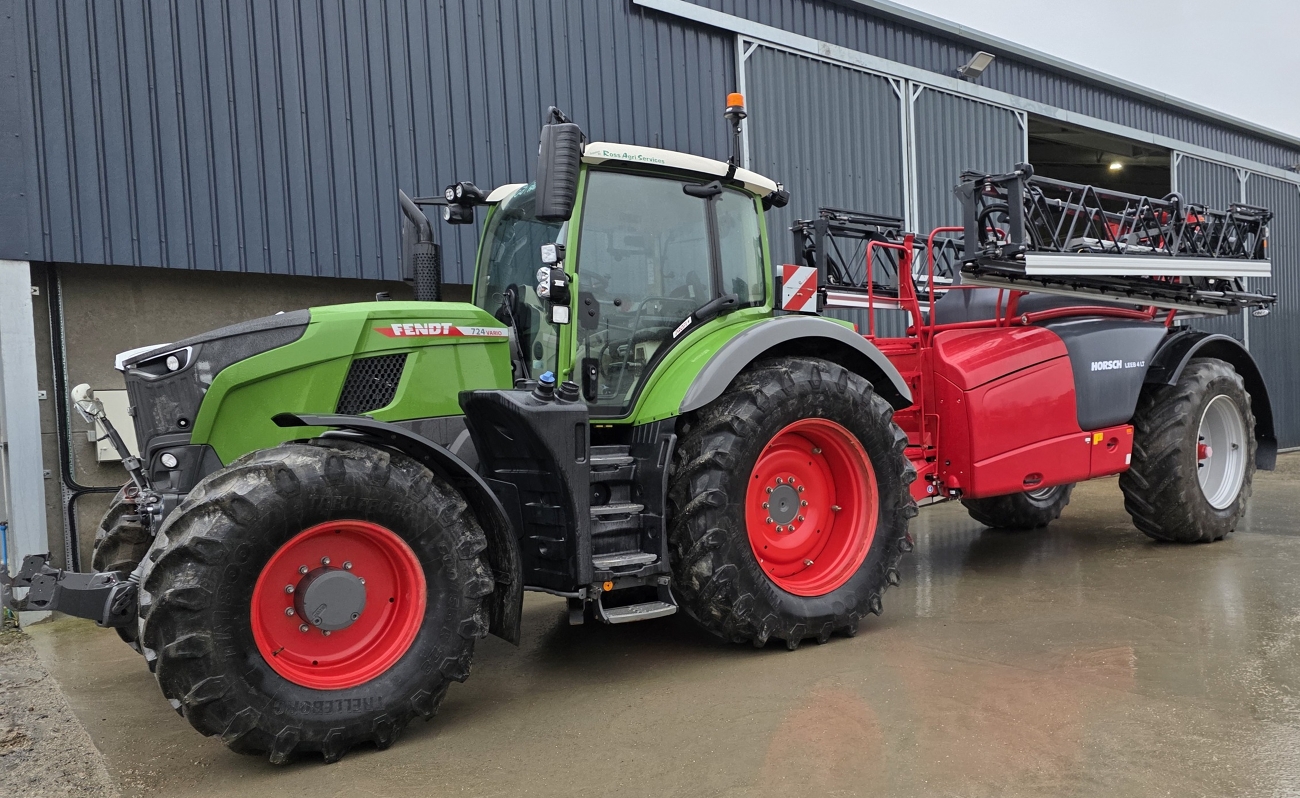
“The 724 SCR/S4 was well ahead of its time and our two have performed brilliantly, which is why I haven’t sold them, and they still have an important role on to play on the farm. However, when the Ross Agri team offered me the chance to test the new Gen 7, it was obvious that things had moved on considerably,” he says. The Gen 7 724 offered additional weight and torque, with its 7.5 litre AGCO Power Core 75 engine developing the same 242hp but with an additional 20 percent of torque. The permanent four-wheel drive, with its tighter turning circle, has made operating trailed machinery like the farm’s sprayer much easier and the new lower revving engine has made heavy draft work more efficient, even in heavy soils.


“We have a 6-furrow Gregoire Besson plough and a 4-metre Horsch combi drill which the 724 is operating both with consummate ease. The older models would run at 2000 rpm but the newer one is down at just 1500 rpm so we are using considerably less fuel,” he says. The farm’s Horsch combi drill was also pushing the limit of the older 700 because the front hopper challenged its lifting capacity. The Gen 7 model provides an additional tonne of front lift capacity which handles the weight of the hopper and also means less ballast is needed when carrying heavy equipment on the rear. “We could have had a Gen 6 with 2000 hours for three quarters of the price, but I wanted to make an investment in our principal arable tractor that would last us 10 years, and I didn’t feel I could achieve that with the Gen 6,” he says.

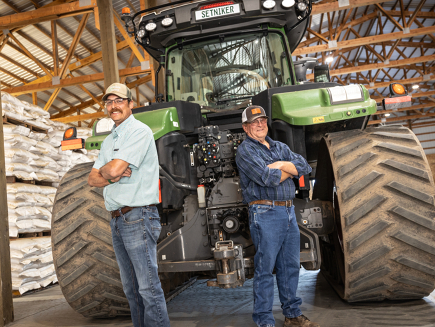
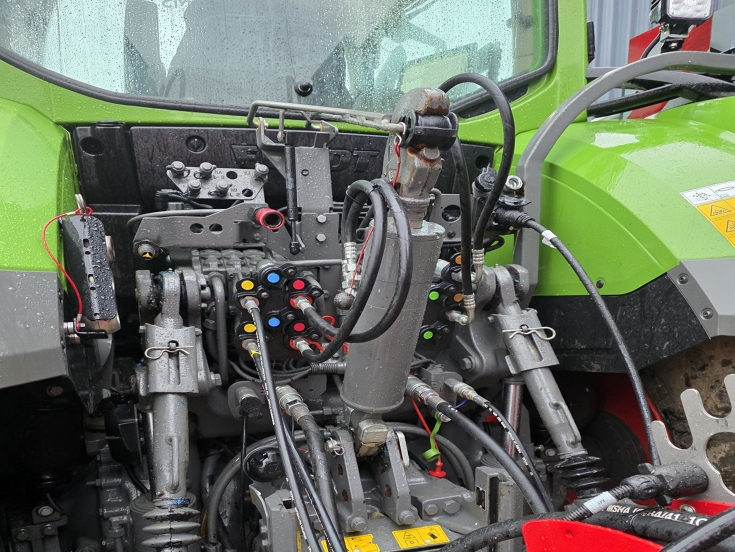
Rear view of a Fendt Tractor showing hydraulic couplings, PTO shaft connection and rear linkage components for versatile implement operation.

Fleet Synergy, FendtONE and Strategic Farm Development

Both the previous generation models have been retained, with the oldest now used more as a utility tractor. Murray suggests that the 700s are a modern classic and, even at 11,000 hours, are far too good to sell.

“We have two Fendt 516s as well, one of which is fitted with a front loader, to handle most of the feeding and lifting work for the cattle. They are very capable tractors, and having the same brand throughout makes operating any tractor in the fleet easy and familiar for our operators,” he adds.


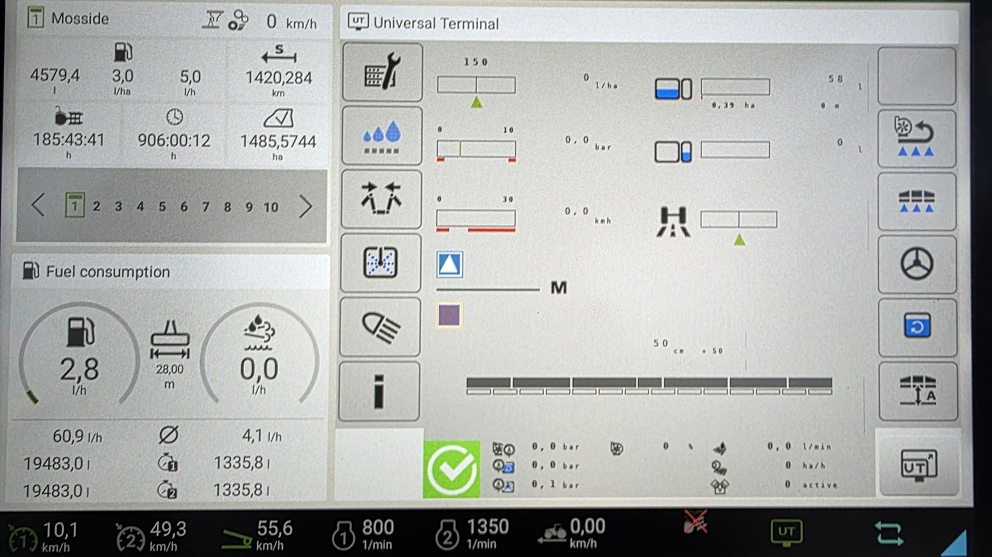
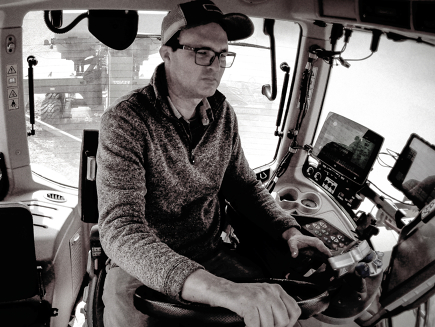
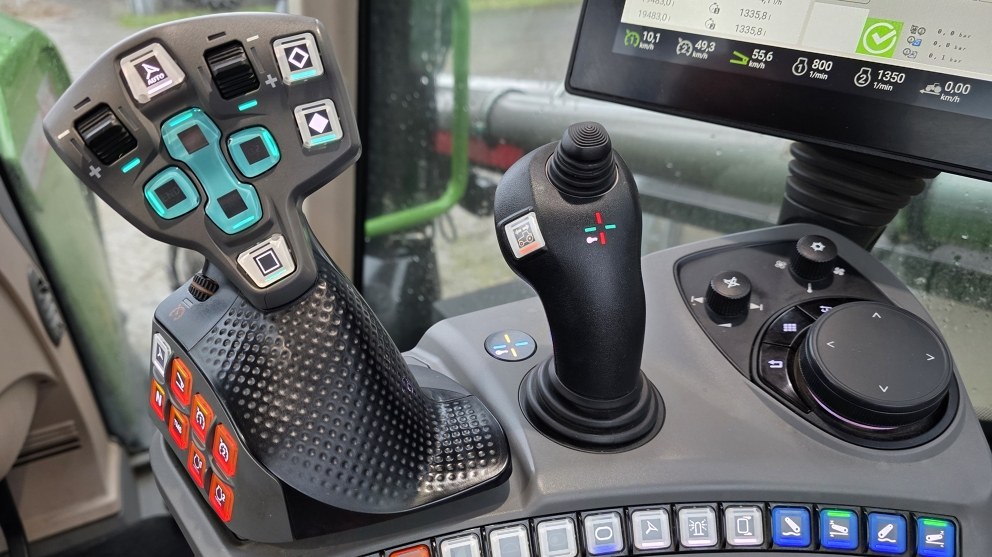
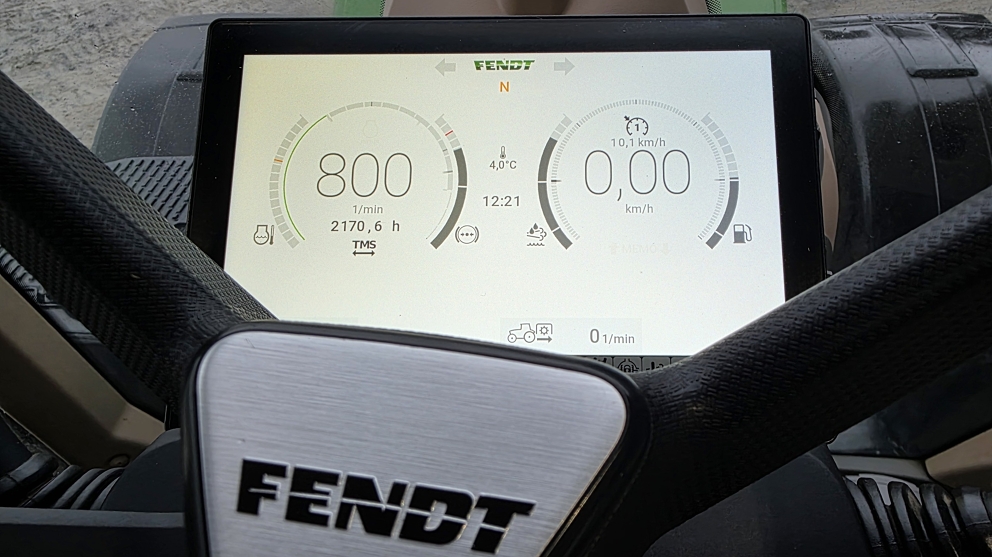
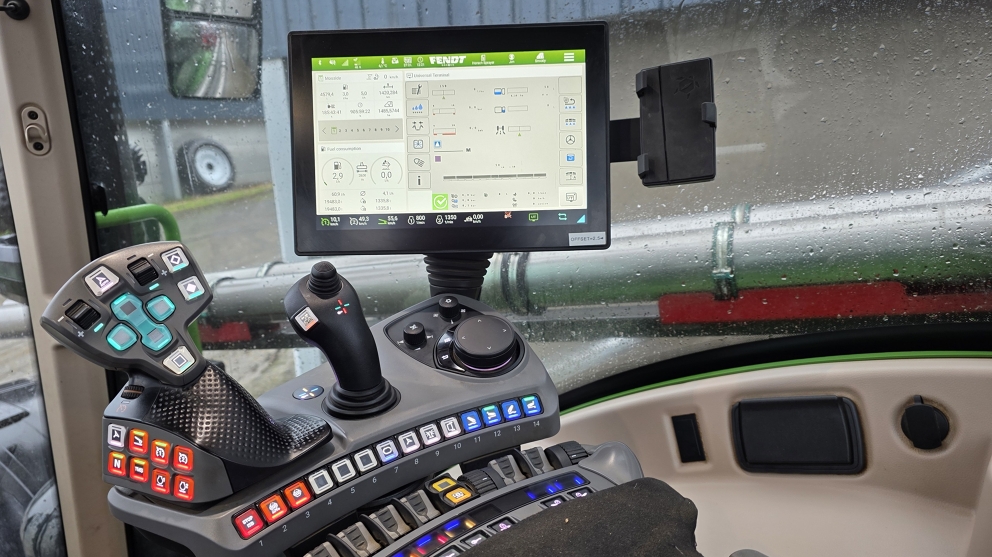
He suggests the biggest change following the introduction of the new 724 was the FendtONE operating system. Despite mimicking the functionality of the older models, the new system has helped the farm’s operators better utilise the technology across the whole fleet. “Having the new model has helped us to learn more about the older tractors. A lot of the same functionality is available in the older tractors, but accessing it is much harder. The new operating system is so much easier to navigate and, since learning more about how it works, we have found functions in the old tractors that we didn’t even know were there,” he says.


While there are outward similarities between old and new, he suggests the Gen 7 is completely different underneath with a quieter, smoother ride and a more intuitive operating system. He believes the older models were way ahead of their time, another reason why a Gen 6 didn’t seem like the right option.

Seasonal Demands, Workload Efficiency and Future OutlookSea

The Gen 7 is two years and 2000 hours into what Murray hopes will be at least a 10-year stint on the farm. It has excelled at cultivation work but is as important for operating the farm’s square baler and its trailed 4000-litre sprayer. “The four-wheel drive system means there is far less scuffing on headlands and the tighter turning circle is better for the sprayer which has a 28-metre boom. It’s a busy season with seven or eight passes needed for liquid fertiliser and plant protection products. We also make 2500 bales and the windows for getting them in aren’t getting any longer,” he says.

Having the right fleet has enabled Murray to give greater consideration to his farm system and he is moving from a five year to four year rotation. “We have the machinery to manage the shift to a four year rotation which will make the farm more efficient and productive. Three quarters of the work is needed in the autumn but we can manage that because the Gen 7 is covering the round so much faster than the older tractors. It was an important decision to make, but one that has opened up opportunities for us now and in the future,” he concludes.